If you've got a tub of loose, mixed LEGO with no boxes, no instructions, and no idea what half of it even belongs to, weight is how it gets valued — no sorting, no matching pieces back to sets. Here's exactly how that works.
What actually counts as "loose"
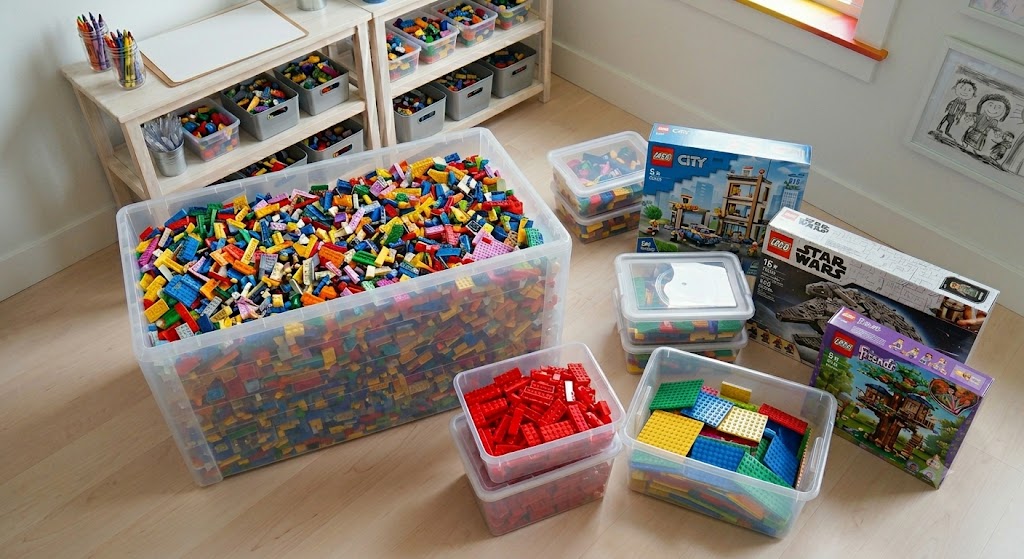
Anything unsorted and unsealed: individual bricks, part-built models, stray minifigures, spare pieces from long-lost sets. It can all go in together exactly as it is — there's no requirement to separate bricks from minifigures or sort by colour first.
What's excluded, and why
The one condition is that it needs to be genuine LEGO — no clone-brand bricks, no Duplo, no other toys mixed in. Anything that isn't genuine LEGO gets set aside during checking and isn't included in the offer, so it's worth a quick check that what you're sending is the real thing before it goes in the box.
How a weight turns into a price
You don't need a precise figure — a rough weigh on any kitchen or bathroom scale is enough to get an instant estimate. If you spot any complete or sealed sets in among the loose bricks, list those separately, since they're priced individually rather than by weight and are usually worth considerably more per item.
Four steps from tub to cash
- Weigh it roughly and get a price. See what your tub is worth →
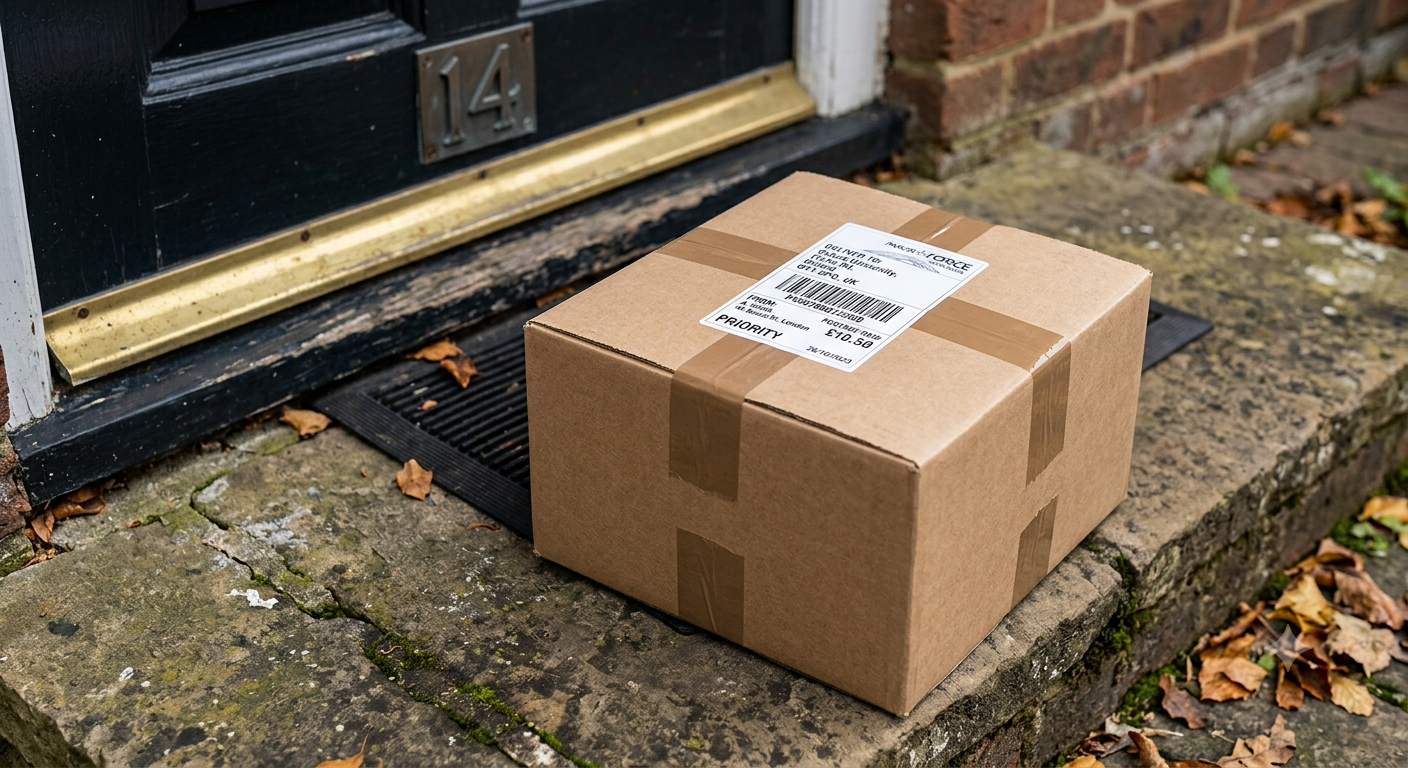
- Bag and box it. Pop loose bits in bags so they don't escape, then into a sturdy box.
- Send it free with a prepaid label or home collection.
- Get paid, usually the next day.