Once you've decided to sell, the next question is always the same: what actually decides the price? It's not one number — it's a handful of specific factors stacking on top of each other. Here's exactly what they are.
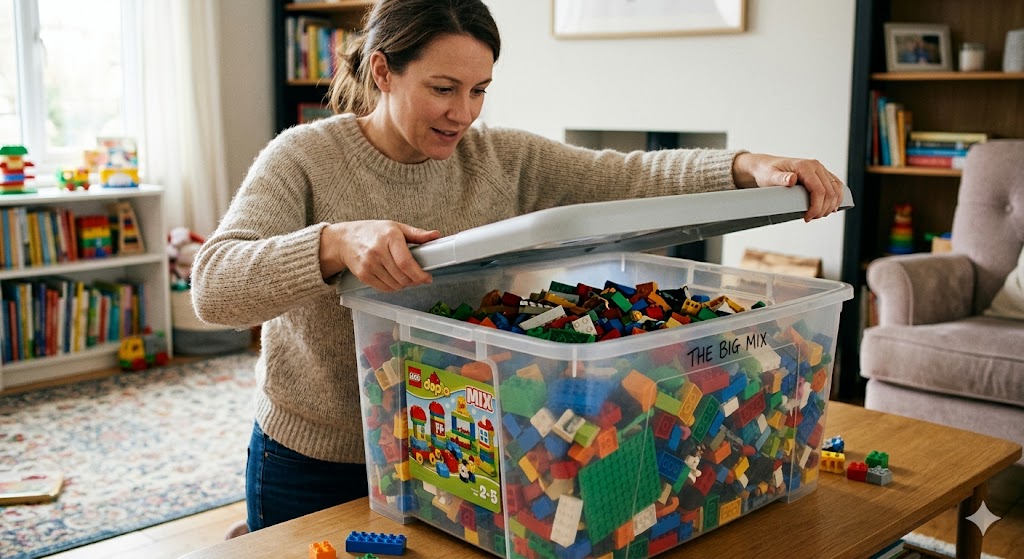
The two ways LEGO is valued
Nearly all LEGO falls into one of two buckets:
- Loose, mixed bricks are valued by weight. You don't need to know what's in there — just roughly how heavy it is.
- Complete and sealed sets are valued individually, based on what that specific set sells for second-hand.
Most family collections are mostly loose bricks with a few sets on top — so your total is usually "weight of the bulk" plus "value of any standout sets."
What pushes the value up
In rough order of impact:
- Sealed, unopened sets — by far the highest value per item.
- Rare or retired sets — ones no longer sold in shops can be worth surprising amounts.
- Minifigures — small but often valuable, especially licensed ones (superheroes, Star Wars, and so on).
- Big, complete, well-known sets.
- Total weight of loose bricks — quantity genuinely adds up.
Rough expectations (so you're not disappointed or surprised)
It's worth being realistic: a typical tub of well-played-with, mixed loose bricks is valued by weight, so it's a useful sum rather than a fortune. The pleasant surprises tend to come from the extras — a sealed set gathering dust, a retired set you'd forgotten about, or a handful of sought-after minifigures. Those can lift the total well beyond what the bulk bricks alone would fetch.
Because exact rates change with the market, the only way to get a real number is a current valuation rather than a guess.
See where your own collection lands
Rather than estimate, get a precise, up-to-date price: give a rough weight for the loose bricks, list any sets you recognise, and you'll have a figure in about thirty seconds.